AI Is Everywhere, But What Really Matters for You?
What does it really mean to learn AI skills?
How Important is AI and How to Start Learning It
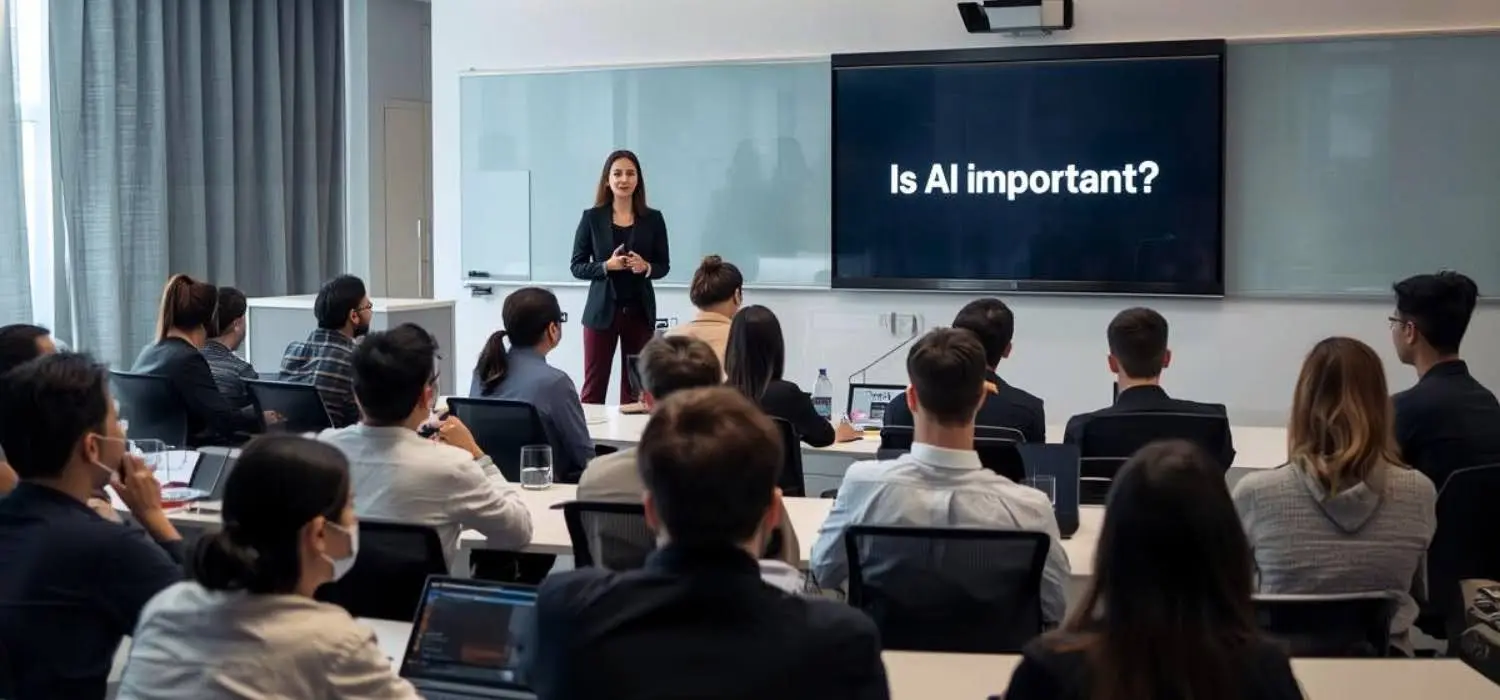
Notice anything unusual about the image above? You might not have guessed it, but it was created by Artificial Intelligence (AI). These days, AI is everywhere, shaping how we work, learn, and make decisions.
Everyone’s talking about it, and everyone feels the pressure to “learn AI.” But what does that really mean for you? More than just knowing the tools, it’s about identifying the skills that matter most in your role and how AI can enhance your judgment, creativity, and decision-making.
Understanding AI vs Knowing How To Use It
Meanwhile, knowing how to use AI focuses on the hands-on work of crafting prompts, refining the results, and integrating AI tools into our workflow. Even if we don't fully grasp the mechanics, most of us regularly use these tools, whether it’s to generate text, create images, or analyse data. These skills deliver immediate, practical benefits.
Once you get a sense of how understanding AI and practical use work together, it becomes easier to focus on the skills that matter most in your role, whether that’s crafting clear prompts or understanding natural language processing.
Minding the Machine
Nobody is perfect, not even the most advanced AI tools. You might use ChatGPT daily but still not understand the nuances of how large language models work, how your answers are generated, what kinds of errors they might make, or how biases can creep in.
This is where AI literacy comes in. It is the bridge between understanding the tool and knowing how to use it. It means knowing how AI works at a basic level and being able to use AI tools responsibly, effectively, and ethically in your work. It also includes understanding AI’s limitations, that they could “hallucinate” and make stuff up, and knowing how to verify outputs, refine prompts, and avoid potential pitfalls.
The growing demand for these skills is clear. According to the LinkedIn Work Change Report, over the past year the percentage of jobs listing AI literacy has increased more than six times, showing just how important it is to use AI wisely.
AI and Human Skills
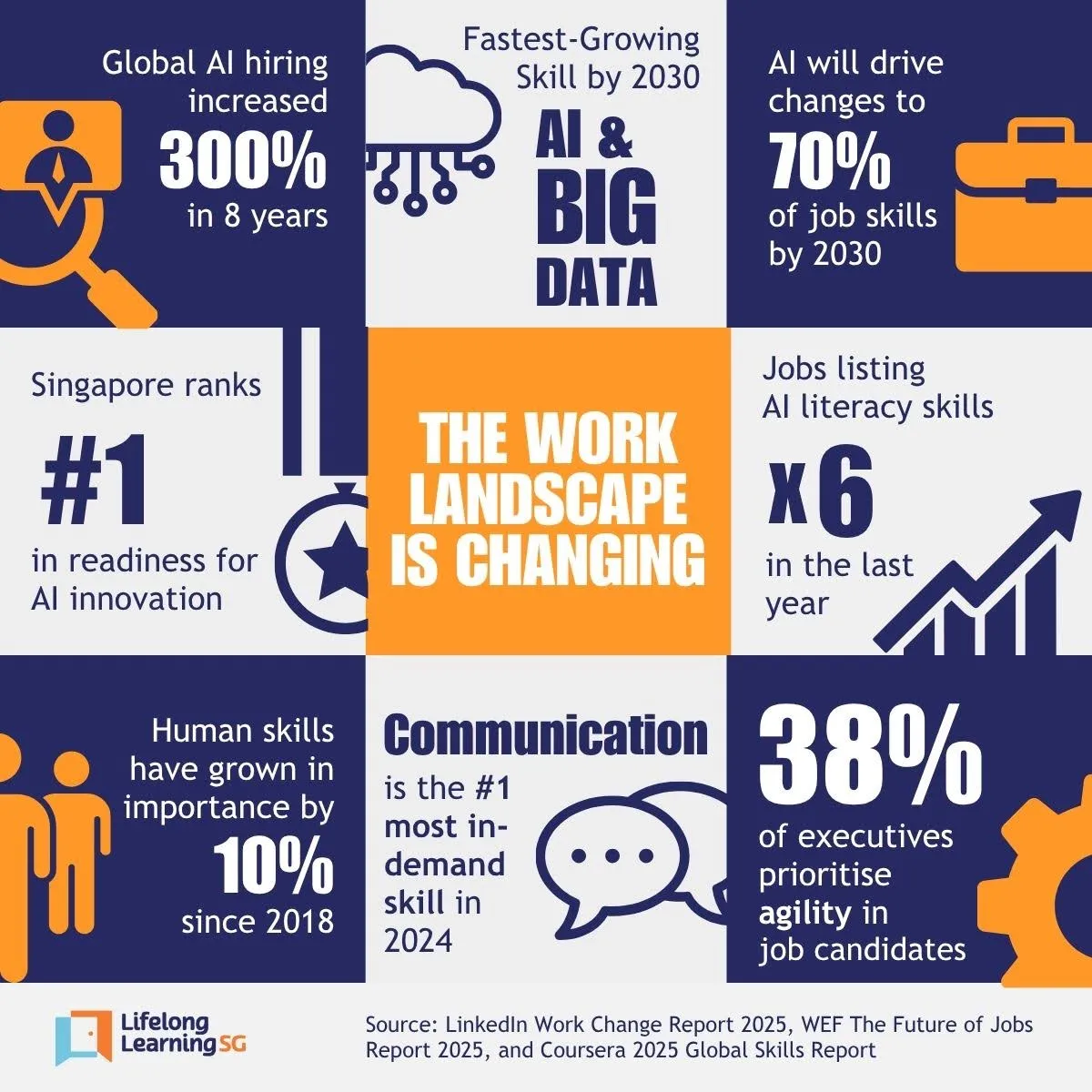
A survey by Resume Genius found that 8 in 10 hiring managers now look for AI-related skills when hiring, making them the most in-demand capabilities in 2025. These include some of the top AI skills you can start building today to stand out. But employers aren’t just looking for someone who can operate a tool. They want talent that can learn new technical skills while maintaining strong human skills like thinking critically, making informed decisions, and applying AI responsibly.
This highly sought-after combination of AI and human skills is fast becoming a key indicator of a person’s adaptability and growth mindset — a talent that remains elusive today.
What Matters to You
- Stay Informed: Keep up with how AI is being used in your field of work, including how it makes decisions and where it can go wrong.
- Build AI Literacy: Gain hands-on experience, learn to craft effective prompts, verify outputs, and recognise biases.
- Strengthen Essential Human Skills: Pair AI skills with critical thinking, creativity, and ethical decision-making.
Ultimately, being future-ready isn’t just about chasing the latest trend. Today, it’s AI, just as 20 years ago, it was the rise of the internet, and in each era, the core skills remain: adaptability, critical thinking, and the ability to learn continuously. You can start by building hands-on AI skills through courses on MySkillsFuture, while also strengthening the human skills that help you navigate change, solve problems, and create meaningful impact, no matter what new tools or technologies emerge next.
To keep up with the evolving workplace demands, check out our workshops and events where you can explore emerging trends, gain career insights, and stay connected to ideas shaping the world of work today.
Posted on 12/17/2025 9:00:00 AM